

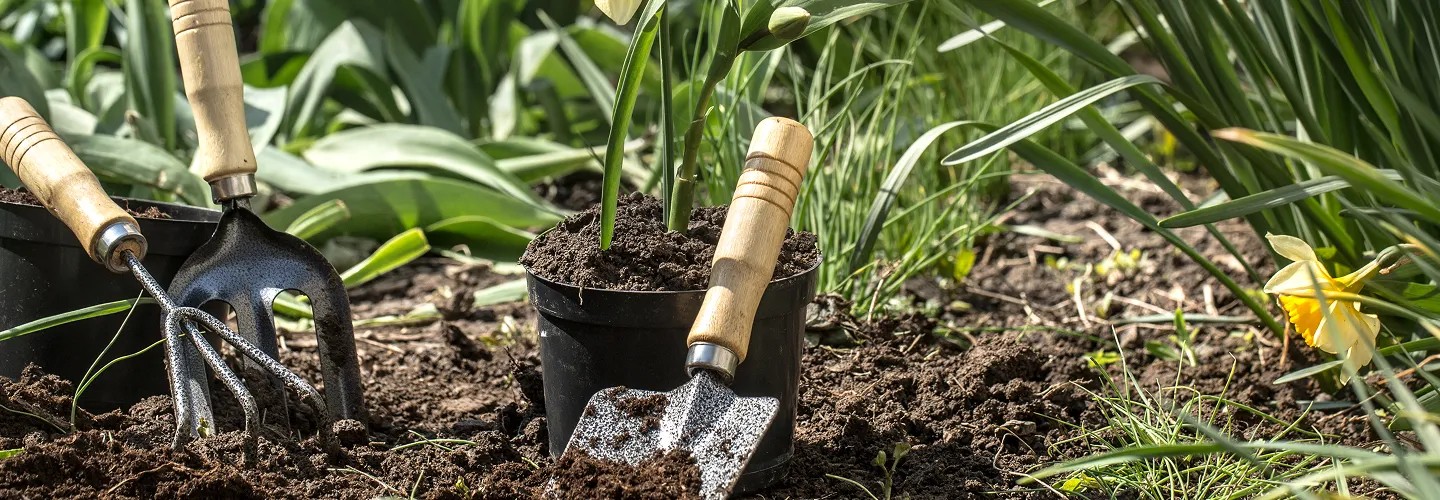
Halifax Plant Removal Services
Choose our plant removal services for a hassle-free experience—our expert team ensures safe, thorough, and environmentally responsible removal, leaving your property clean and ready for your next project.
Get a Free QuoteWhen to Schedule Plant Removal in Halifax, Massachusetts – Seasonal Guide
In Halifax, Massachusetts, timing your plant removal is crucial for both the health of your landscape and compliance with local guidelines. The best periods for plant removal typically fall in early spring, after the last frost, or in late fall before the ground freezes. Halifax’s climate, with its cold winters and humid summers, means that soil conditions and plant dormancy cycles play a significant role in determining the optimal window for removal. Neighborhoods near Burrage Pond Wildlife Management Area or along Thompson Street often experience higher soil moisture and shade coverage, which can affect root systems and removal techniques.
Local environmental factors such as late spring frosts, summer drought risk, and the sandy loam soils common in Halifax neighborhoods like Monponsett and South Halifax should all be considered. Additionally, municipal guidelines—available through resources like the Town of Sudbury’s website—may influence when and how plant removal can be performed, especially in protected or conservation areas.
Local Factors to Consider for Plant Removal in Halifax
- Tree density and proximity to structures
- Terrain slope and soil drainage
- Seasonal precipitation and humidity levels
- Frost dates and risk of late cold snaps
- Shade coverage from mature trees
- Municipal restrictions or permit requirements
- Proximity to wetlands or conservation land
Benefits of Plant Removal in Halifax
Expert Landscaping Services
Efficient Plant Removal
Eco-Friendly Disposal
Improved Curb Appeal
Customized Solutions
Licensed and Insured Team
Halifax Plant Removal Types

Tree Removal
-
Shrub Removal
-
Stump Grinding
-
Invasive Species Removal
-
Hedge Removal
-
Root System Extraction
-
Overgrown Vegetation Clearing
Our Plant Removal Process
Site Evaluation
Preparation and Safety Measures
Plant Extraction
Debris Removal
Site Restoration
Why Choose Halifax Landscape Services
-
Halifax Homeowners Trust Us
-
Expert Lawn Maintenance
-
Competitive Pricing
-
Professional Team
-
Satisfaction Guarantee
-
Personalized Service
-
Reliable Scheduling
Plant Removal and Debris Disposal Coordination with Halifax’s Department of Public Works
Plant removal in Halifax requires strict adherence to municipal debris management protocols. The Department of Public Works oversees weekly yard waste collection every Thursday from April through November. Accepted materials include leaves, grass clippings, and brush under 4 feet in length, which must be placed in biodegradable bags or reusable bins (32-gallon maximum). Plastic bags and branches over 4 inches in diameter are prohibited. For large-scale plant removal, a disposal permit may be required, with a typical review period of 5-10 business days and a fee of $25-$50. Residents must ensure all debris is kept clear of storm drains to comply with the town’s MS4 stormwater permit under the Clean Water Act.
Halifax Department of Public Works
499 Plymouth Street, Halifax, MA 02338
Phone: (781) 293-1732
Official Website: Halifax Department of Public Works
Soil Series and Site Conditions Affecting Plant Removal in Halifax
Halifax’s landscape is dominated by Paxton fine sandy loam and Bridgehampton silt loam, as identified by the USDA Web Soil Survey. These soils are moderately to poorly drained, with a typical pH range of 5.2-6.0, and often feature a seasonal water table within 18-24 inches of the surface. Plant removal projects must account for compaction in developed areas and the presence of glacial till, which can impede root extraction. For optimal results:
- Use equipment capable of operating in wet or compacted soils
- Plan removal during drier periods to minimize site disturbance
- Amend soils post-removal with 2-3 inches of compost tilled to 6-inch depth
- Conduct soil testing through UMass Extension (typical cost: $20-25)
These practices help restore soil structure and support replanting or restoration efforts.
Environmental Compliance: Wetland Buffers and Stormwater Protection in Halifax
Plant removal near Halifax’s wetlands, streams, and conservation lands is regulated under the Massachusetts Environmental Policy Act (MEPA) and enforced locally by the Conservation Commission. A 25-foot no-disturbance buffer is required from all bordering vegetated wetlands, and a 50-foot setback applies to major water bodies such as Monponsett Pond. All debris must be kept out of storm drains and watercourses to comply with the town’s MS4 permit and Massachusetts Department of Environmental Protection stormwater regulations. Violations may result in fines of $100-$300 per incident. For guidance on buffer zones and permit applications:
Halifax Conservation Commission
499 Plymouth Street, Halifax, MA 02338
Phone: (781) 293-1732
Official Website: Halifax Conservation Commission
Equipment Operation Hours and Safety Standards for Plant Removal in Halifax
Halifax enforces municipal noise ordinances for outdoor equipment operation. Permitted hours are:
- Monday-Friday: 7:00 AM - 7:00 PM
- Saturday: 8:00 AM - 6:00 PM
- Sunday and holidays: Prohibited
All operators must use commercial-grade equipment with functioning mufflers, and noise levels must not exceed 85 decibels at property lines. Safety protocols require ANSI Z87.1 safety glasses, hearing protection for equipment over 85 dB, steel-toed boots, and high-visibility vests when working near public roads. Maintain a 15-foot clearance from overhead utilities and contact Dig Safe (811) at least 72 hours before any ground disturbance. For additional safety guidance:
Halifax Building Department
499 Plymouth Street, Halifax, MA 02338
Phone: (781) 293-6557
Official Website: Halifax Building Department
Optimal Timing for Plant Removal in Halifax’s Climate Zone
Halifax is located in USDA Hardiness Zone 6b, with average last frost in late April and first frost in late October. The best windows for plant removal are:
- Spring: April 15 - June 1 (soil temp 50-65°F)
- Fall: September 1 - October 31 (before first frost) Avoid removal during July-August due to heat stress and potential soil compaction. Monitor local weather through the National Weather Service - Boston/Norton Office for rainfall and soil moisture conditions. For large projects, schedule work after extended dry periods to minimize site disturbance and erosion risk. Consult UMass Extension for additional timing and replanting recommendations.
What Neighborhoods Do We Serve Throughout Halifax, MA?
- Halifax Center: Features mature tree canopies and older homes with compacted soils, requiring careful root extraction and debris management.
- Monponsett: Proximity to Monponsett Pond and wetlands necessitates strict buffer compliance and specialized equipment for wet soils.
- East Halifax: Newer developments with sandy loam soils and larger lots, allowing for easier equipment access but requiring attention to wind erosion post-removal.
- South Halifax: Rural properties with mixed forest and open fields, often adjacent to conservation lands, where wildlife habitat protection is a priority.
- West Monponsett: Floodplain areas with poorly drained soils and frequent water table fluctuations, demanding careful timing and erosion control.
- Thompson Street Corridor: Narrow roads and overhead utilities present access challenges, requiring compact equipment and heightened safety protocols.
- Pine Street Area: Dense residential lots with HOA landscaping standards and increased oversight on debris containment and noise compliance.