

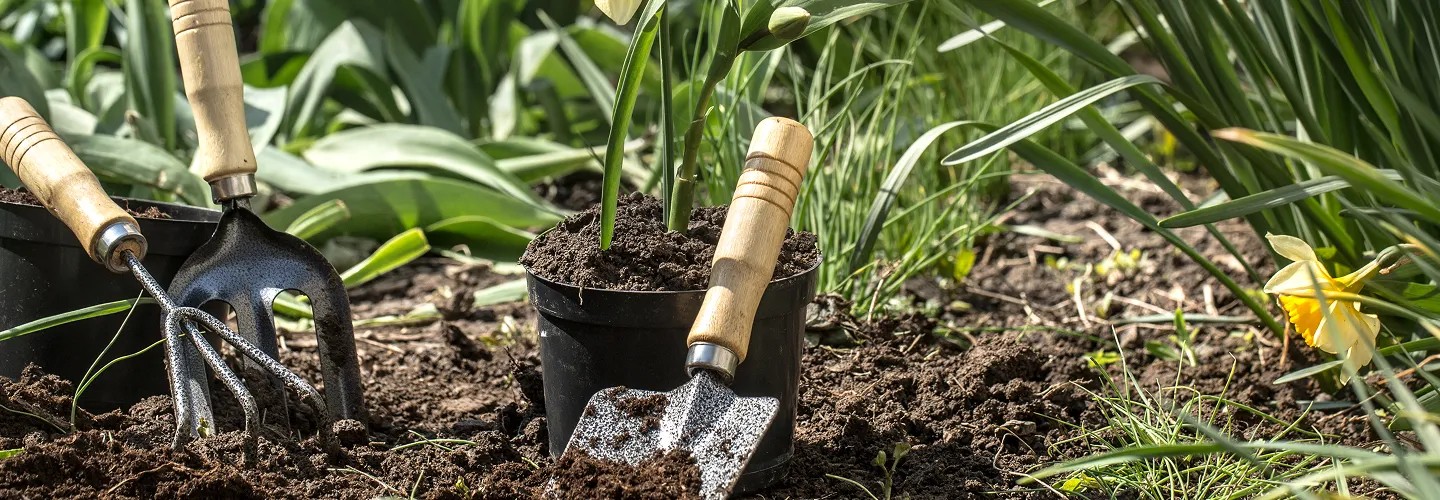
Halifax Weeding Services
Choose our expert weeding services for a healthier, more vibrant garden—our experienced team ensures thorough weed removal, promoting strong plant growth and lasting curb appeal.
Get a Free QuoteWhen to Schedule Weeding in Halifax, Massachusetts – Seasonal Guide
In Halifax, Massachusetts, the best times to schedule weeding are closely tied to the region’s unique climate and landscape. Early spring, just after the last frost, is ideal for tackling emerging weeds before they establish deep roots. Late summer and early fall are also important windows, as persistent weeds can take advantage of the warm, humid conditions common in neighborhoods like Monponsett and around Burrage Pond. Halifax’s sandy soils and variable shade coverage, especially near wooded areas, can influence how quickly weeds return, making regular attention essential.
Local environmental factors such as the risk of late spring frosts, summer droughts, and the high humidity typical of southeastern Massachusetts all play a role in determining the optimal weeding schedule. Homeowners near the Halifax Town Green or along Thompson Street may also need to consider municipal guidelines and conservation restrictions, which can be found on the town’s official website. By understanding these local nuances, you can keep your landscape healthy and weed-free throughout the growing season.
Local Factors to Consider for Weeding in Halifax
- Proximity to wooded areas and tree density
- Soil type (sandy, loamy, or clay)
- Average precipitation and drought risk
- Frost dates and seasonal temperature swings
- Shade coverage from mature trees or structures
- Terrain and drainage patterns
- Municipal or conservation restrictions
Benefits of Weeding in Halifax
Expert Local Knowledge
Efficient Weed Removal
Eco-Friendly Practices
Customized Landscaping Solutions
Consistent Lawn Health
Reliable Year-Round Service
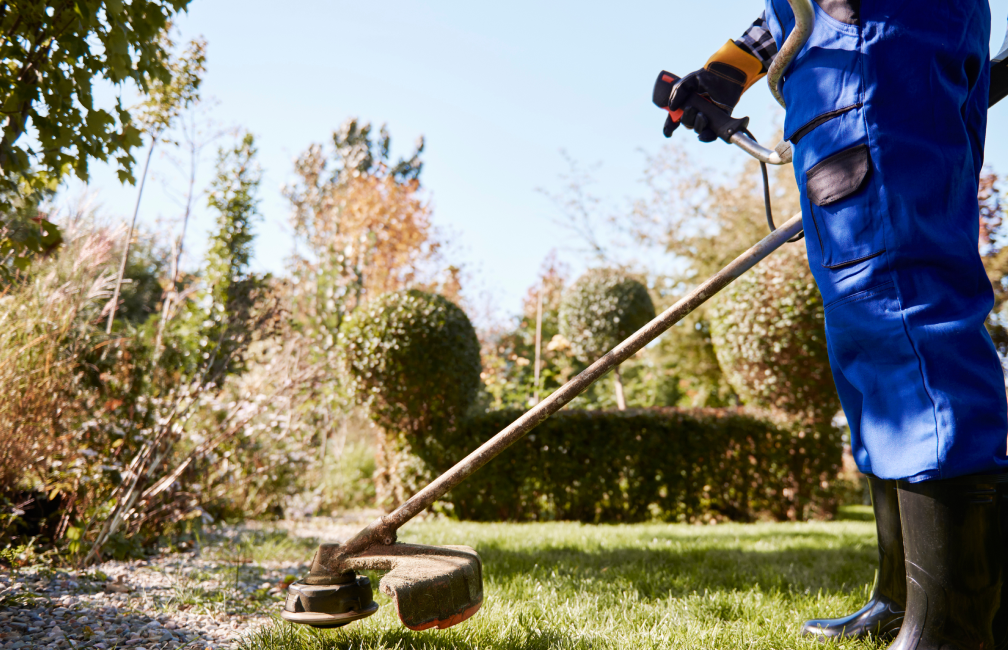
Halifax Weeding Types

Hand Weeding
-
Mechanical Weeding
-
Mulching for Weed Control
-
Herbicide Application
-
Flame Weeding
-
Soil Solarization
-
Selective Weeding
Our Weeding Process
Site Evaluation
Weed Identification
Targeted Removal
Soil Treatment
Final Inspection
Why Choose Halifax Landscape Services
-
Halifax Homeowners Trust Us
-
Expert Lawn Maintenance
-
Competitive Pricing
-
Professional Team
-
Satisfaction Guarantee
-
Personalized Service
-
Reliable Scheduling
Glacial Till and Sandy Loam: Halifax’s Predominant Soils and Weeding Implications
Halifax’s landscape is shaped by glacial till and sandy loam soils, as identified by the USDA Web Soil Survey. These soils are typically acidic (pH 5.0–6.0) and moderately to well-drained, but may exhibit compaction in developed areas. Effective weeding requires regular soil testing—available through UMass Extension—to determine pH and nutrient status. For persistent weed control, mechanical removal is recommended, especially in compacted or stony areas. Soil amendments such as lime (for pH below 6.0) and compost (2–3 inches tilled to 6-inch depth) can improve soil structure and reduce weed pressure. Avoid chemical herbicides within 25 feet of wetlands or water bodies to comply with local and state environmental regulations.
Halifax Department of Public Works
499 Plymouth Street, Halifax, MA 02338
Phone: (781) 293-1732
Official Website: Halifax Department of Public Works
Seasonal Weeding Timing and Weather Considerations in Halifax
Halifax’s climate falls within USDA Hardiness Zone 6b, with a typical growing season from mid-April to late October. Optimal weeding windows are:
- Spring: April 15 – May 30 (soil temp 50–65°F)
- Fall: September 1 – October 15 (before first frost) Avoid weeding during peak summer (July–August) to minimize soil disturbance and erosion risk. Monitor local weather forecasts through the National Weather Service Boston/Norton Office to plan around heavy rainfall, which can increase soil compaction and weed seed spread. For large-scale projects, schedule work after light rain for easier root removal. Mulching garden beds in late spring helps suppress summer weed growth. Always dispose of pulled weeds in accordance with Halifax’s yard waste guidelines to prevent re-infestation.
Yard Waste Collection and Weeding Debris Disposal Protocols in Halifax
Proper disposal of weeding debris is regulated by Halifax’s municipal yard waste program. Collection occurs weekly on Thursdays from April through November. Residents must use biodegradable paper bags or 32-gallon reusable bins; plastic bags are prohibited. Accepted materials include:
- Weeds, leaves, and grass clippings
- Brush under 4 feet in length and 4 inches in diameter
- No invasive species or soil clumps
Debris should be placed curbside by 7:00 AM on collection day. For large volumes, the Halifax Transfer Station accepts yard waste during posted hours. Improper disposal, such as dumping in wetlands or storm drains, is subject to fines under the Massachusetts Environmental Policy Act (MEPA) and Clean Water Act.
Halifax Department of Public Works
499 Plymouth Street, Halifax, MA 02338
Phone: (781) 293-1732
Official Website: Halifax Department of Public Works
Environmental Compliance: Wetland Buffers and Stormwater Protection in Halifax
Weeding activities near Halifax’s wetlands, streams, and conservation areas must comply with both local and state environmental regulations. Maintain a minimum 25-foot no-disturbance buffer from all wetlands, as required by the Halifax Conservation Commission and Massachusetts Department of Environmental Protection (MassDEP) under the MS4 stormwater permit. Do not deposit weeding debris or soil within these buffer zones. The use of herbicides is prohibited within 50 feet of water bodies. To further protect stormwater quality, ensure that no plant material enters storm drains, in accordance with EPA Phase II requirements. For guidance on sensitive area compliance, consult the Conservation Commission.
Halifax Conservation Commission
499 Plymouth Street, Halifax, MA 02338
Phone: (781) 293-1732
Official Website: Halifax Conservation Commission
Massachusetts Department of Environmental Protection
Boston, MA
Official Website: Massachusetts Department of Environmental Protection
Equipment Operation Hours and Safety Standards for Weeding in Halifax
Halifax enforces municipal noise ordinances for outdoor equipment operation. Permitted hours are:
- Monday–Friday: 7:00 AM – 7:00 PM
- Saturday: 8:00 AM – 6:00 PM
- Sunday and holidays: Prohibited All operators must use equipment with functioning mufflers and maintain noise levels below 85 decibels at property lines. Required personal protective equipment (PPE) includes:
- ANSI Z87.1 safety glasses
- Hearing protection for noise above 85 dB
- Cut-resistant gloves for hand weeding
- Steel-toed boots for mechanical removal
Maintain a 15-foot clearance from overhead utilities and avoid working within 25 feet of wetlands. For questions on safety protocols, contact the Department of Public Works.
Halifax Department of Public Works
499 Plymouth Street, Halifax, MA 02338
Phone: (781) 293-1732
Official Website: Halifax Department of Public Works
What Neighborhoods Do We Serve Throughout Halifax, MA?
- Halifax Center: Features older homes with compacted glacial till soils and mature landscaping, requiring careful hand weeding and attention to root systems near historic trees.
- Monponsett: Proximity to Monponsett Pond and associated wetlands necessitates strict buffer compliance and avoidance of chemical herbicides.
- East Halifax: Newer developments with sandy loam soils and larger lots, where mechanical weeding is effective but wind erosion can spread weed seeds.
- South Halifax: Includes conservation areas and floodplains, demanding adherence to wetland buffer regulations and careful debris disposal.
- West Halifax: Characterized by mixed forest edges and higher deer pressure, requiring selection of deer-resistant native species and regular monitoring for invasive weeds.
- Thompson Street Corridor: Narrow roads and limited equipment access require manual weeding methods and coordination for debris pickup.
- Pine Street Area: Features a mix of residential and agricultural properties, with variable soil pH and drainage, making soil testing and tailored weeding strategies essential.